Wonder: Our Blog for Your FAQs
There’s intention behind everything we do at Ithaca Waldorf School, and we love sharing our ideas and work with others. With this blog, we share our school’s answers to common questions we hear from current and prospective families, about IWS and how Waldorf Education looks here.
Our School Director also hosts “The Waldorf Way,” a podcast on questions that are important to families.
Do you have a question you’d like us to address? Join us for a tour, or contact us.
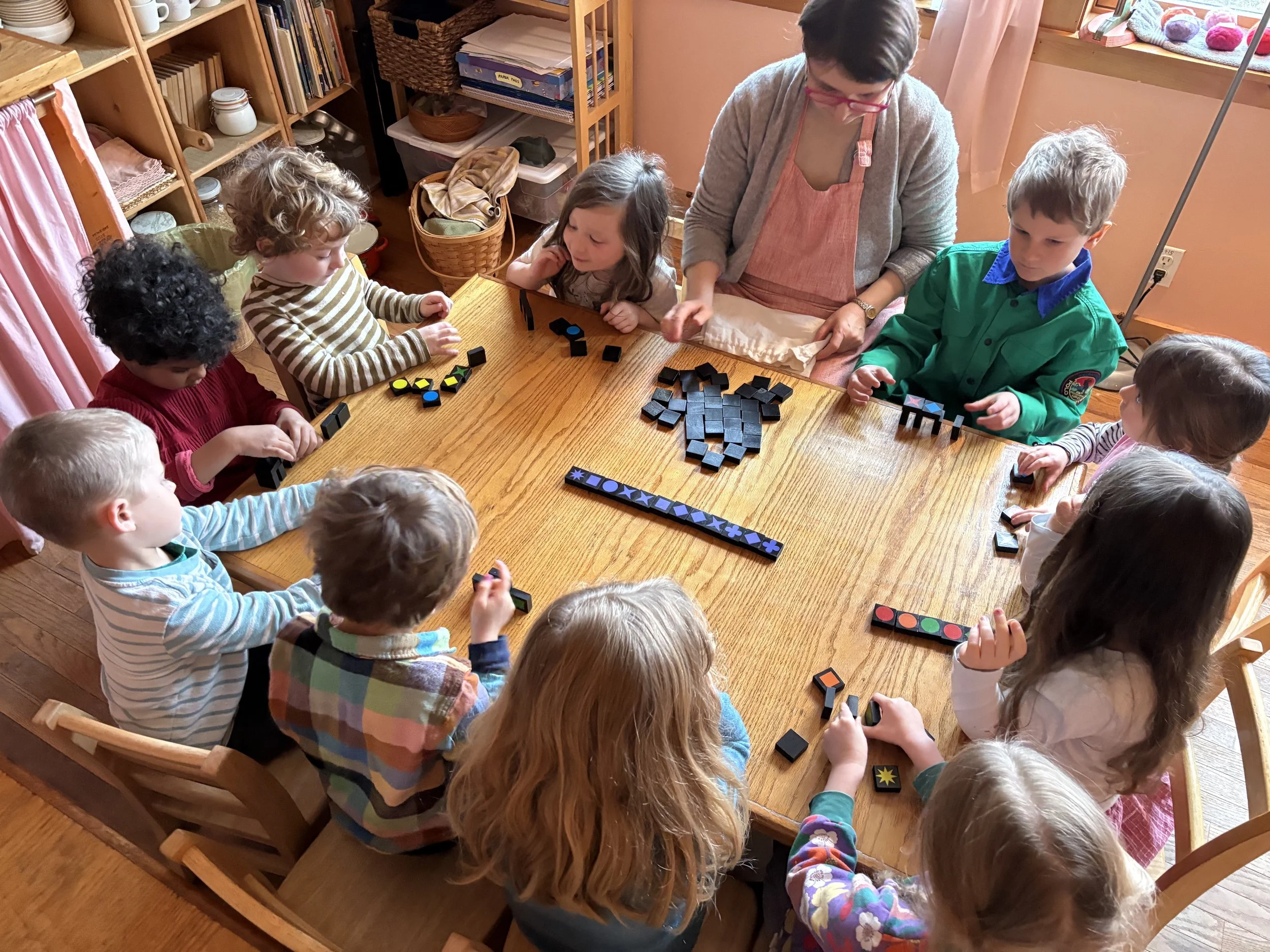
“Why do Waldorf Schools start 1st Grade later than public schools?”
Or, the 6 Most Important First Grade Readiness Skills Your Child Will Learn in Kindergarten
At Ithaca Waldorf School, our kindergarten program is designed to meet and nurture children during this powerful phase of development. Most of our kindergarteners are 5-year-olds who will turn 6 during the school year, which in some cases makes them almost a year older than public school kindergarteners. Waldorf schools around the world have found that this “extra year of kindergarten” is the best year to develop a foundation in preacademic skills that will set them up for success in 1st grade and beyond.
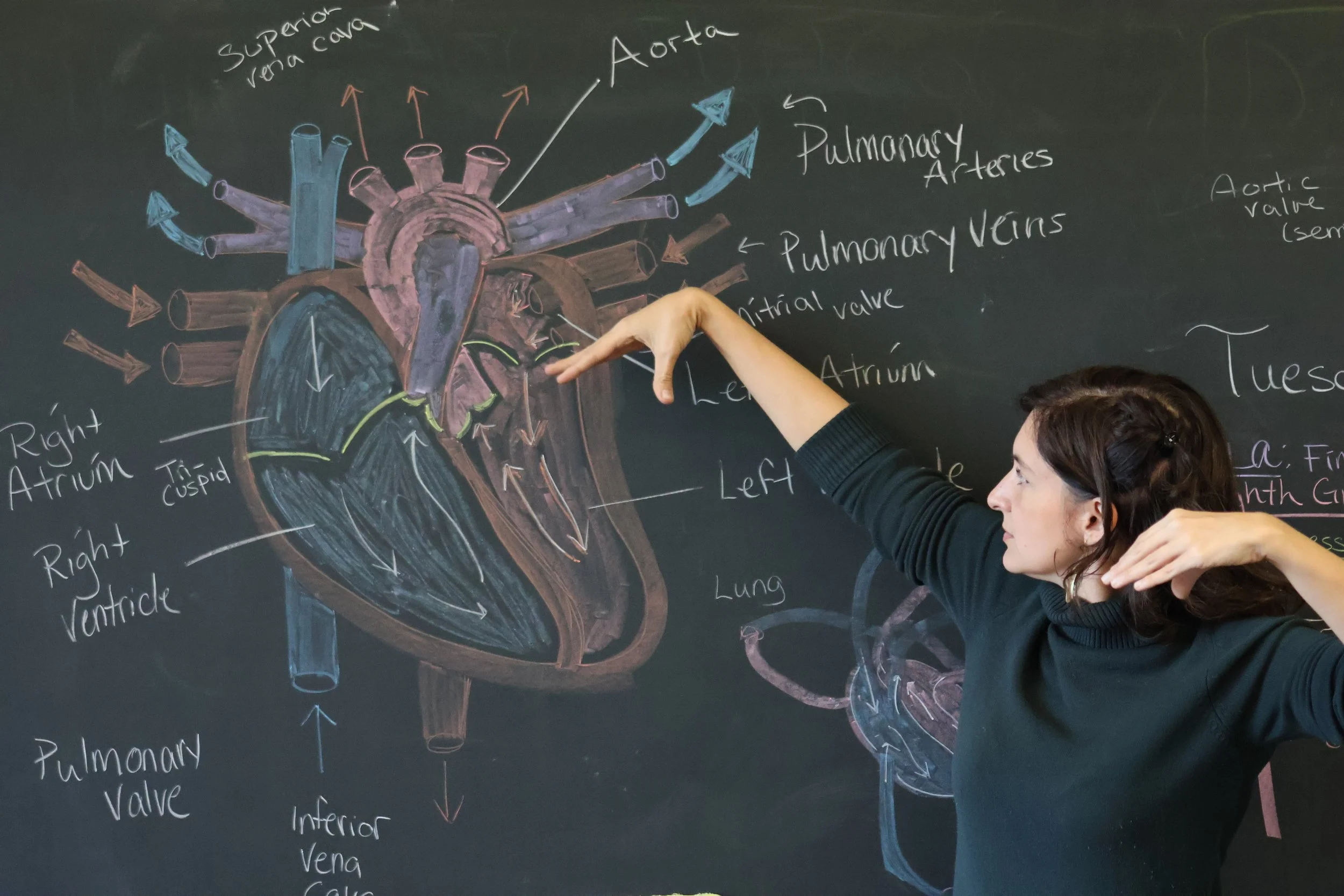
“Are Waldorf kids ready for High School Science?”
At Ithaca Waldorf School, our interdisciplinary and hands-on approach to science ignites students’ natural curiosity. Our approach begins with nurturing a foundation of love, wonder, and connection with the natural world, progresses into fostering their ability to observe, question, and analyze the world around them, and lays the groundwork for advanced-level science in high school and beyond.
Here’s how we do it.
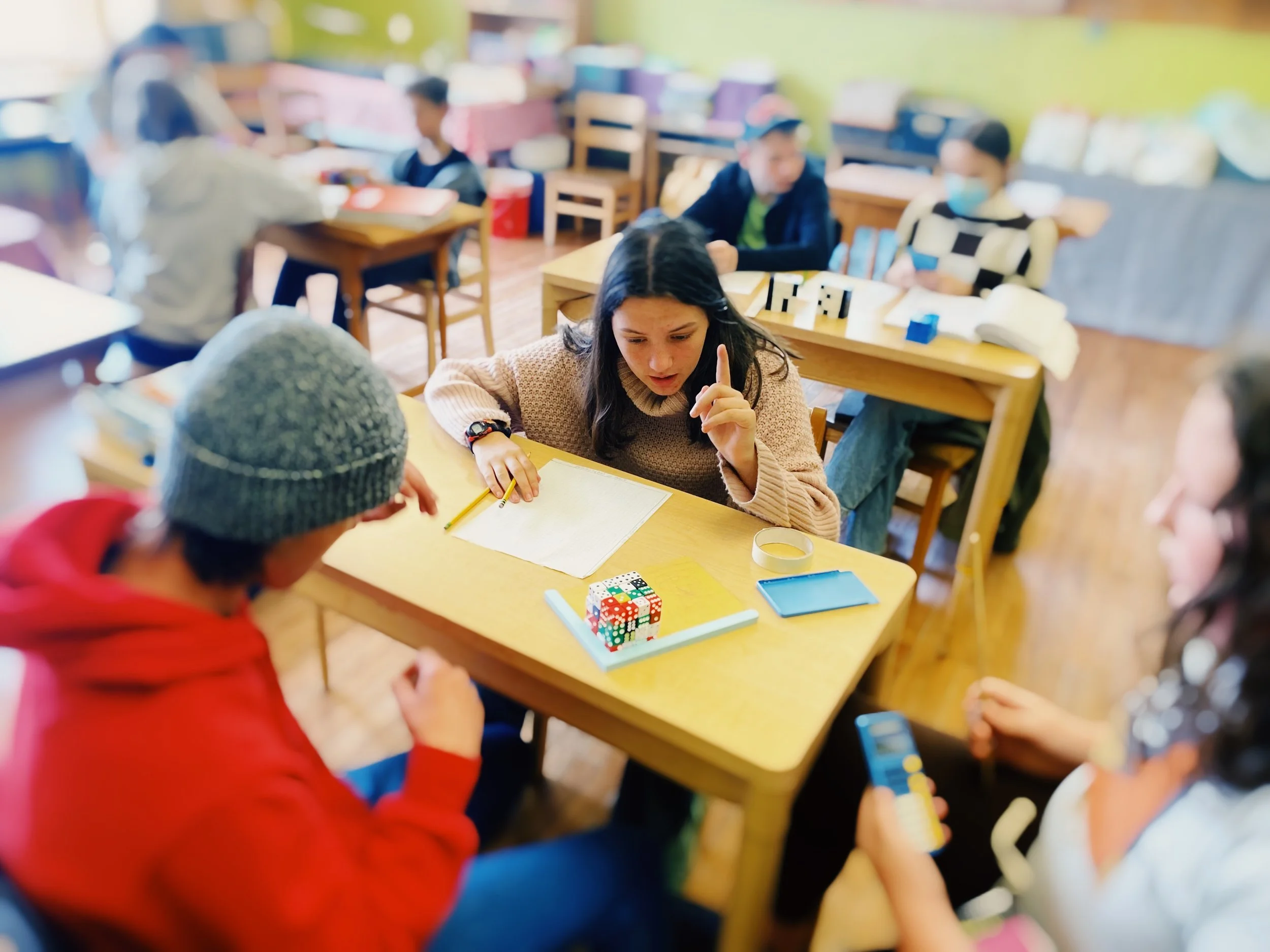
"Is Waldorf just for little kids?" A Conversation With Our 8th Grade Teacher
Early childhood is just the beginning of the journey, which grows and transforms with children as they age into our elementary and middle school. Just like our preschool and kindergarten teachers, grades school faculty are specially trained to educate children through each stage of development, thoughtfully fostering each students’ capacity to learn, think creatively and independently, and connect with their class and community.